
Dental Cleaning
What is dental cleaning?

Why the problem?
Plaque and bacteria accumulate when these areas remain ignored for a long time and may cause cavities, infections, and gum disease.
A pediatric dentist has the tools to clean hard-to-reach areas in your child’s mouth without making them uncomfortable.
Plaque and bacteria accumulate when these areas remain ignored for a long time and may cause cavities, infections, plaque and bacteria accumulate when these areas remain ignored for a long time and may cause cavities, infections, and gum disease.
WHY YOU SHOULD DO ?
- Your dental hygienist can remove most of the stains that dull and discolor your teeth, so you'll be left with a brighter, whiter smile.
- Having your teeth cleaned can prevent gum disease, which leads to early tooth loss.
- A strong link exists between cardiovascular disease and gum disease. Because getting your teeth cleaned twice a year helps prevent gum disease,
- A strong link exDuring a professional dental cleaning, it’s easy for your dentist to detect early signs of problems such as broken fillings and fractures.ists between cardiovascular disease and gum disease. Because getting your teeth cleaned twice a year helps prevent gum disease,
- Many dental plans cover cleanings, and you’ll save money on dental expenses in the long run by taking advantage of your policy.
- If your dentist finds any serious problems during a teeth cleaning or exam, the office can help you make financial arrangements to cover the necessary procedures.
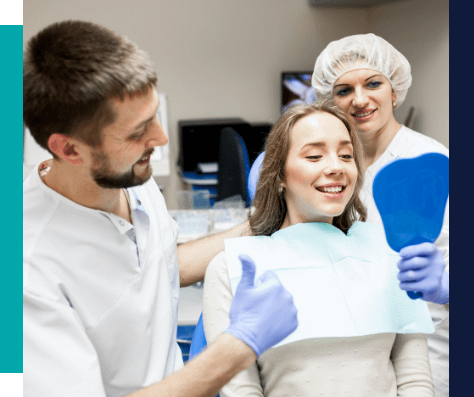

Who needs tooth cleaning the most?
- Smokers
- Diabetics
- Under significant stress
- Taking medication that causes dry mouth
- Affected by HIV/AIDS or cancer
- Experiencing orthodontic issues
- Pregnant
- Those who have a history of gum disease or take oral contraceptives.
OUTCOME OF THE PROCEDURE
- The maintenance of oral health
- The prevention of oral diseases
- Early detection of oral diseases and infections
CONDICATIONS THAT YOU NEED TOOTH WHITENING
- Conditions that can be treated by this procedure
Pros & Cons of dental cleaning
Pros of dental cleaning
- Stops gum disease
- Flights bad breath
- Protects roots of teeth
Cons of dental cleaning:
- Slight pain and sensitivity
- Can cause gum recession
- Risk of infection after the procedure
- In very rare cases, a risk of nerve damage
Types of dental cleaning

Prophylaxis Dental Cleaning
Prophylaxis cleanings remove plaque and tartar from the front, back, and sides of teeth using a dental scaler or water stream. Most dental patients only require a prophylaxis cleaning, especially if they have kept up on daily dental hygiene and semi-annual dental appointments.

Scaling and Root Planing Cleaning
Scaling and root planing cleanings, also known as deep cleanings, are used on both the teeth and gum pockets in order to treat gingivitis and periodontitis. Deep cleanings for gingivitis are usually completed in a single dental appointment. Root planing is the process of smoothing the tooth roots, which helps the gums reattach to teeth and eliminate gum pockets.

Periodontal Maintenance Cleaning
Periodontal maintenance cleanings are also dental cleanings designed to treat gum disease. The main thing that sets periodontal maintenance cleanings apart is that they are usually performed more often than other types of dental cleanings. This is because gum disease is progressive and will continue to get worse if not effectively treated.
BEFORE AND AFTER

Steps Followed During a Teeth Cleaning
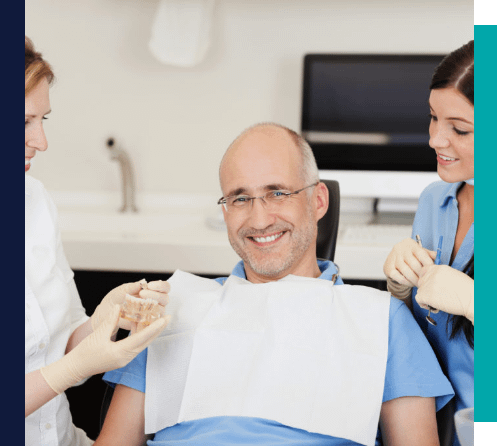
A physical exam
Prior to the actual teeth cleansing process, a dental hygienist will first examine the entire mouth. During this inspection, a hygienist may ask whether you have any dental concerns. If they notice any unusual concerns like dark spots on your teeth, the dental hygienist may call a dentist in.
Digital X-rays
This step is usually for first-time patients or those who haven’t had a dental cleaning in over six months.
Removing tartar and plaque
(scaler) to remove tartar and plaque from tooth surfaces. A hygienist may use a manual scaler to scrap off small deposits of tartar.
Polishing
With the mirror, a dental hygienist will use a handheld tool after removing tartar and plaque, the teeth are polished to remove any remaining stains. The hygienist uses special gritty toothpaste and a high-powered toothbrush.
AFTERCARE PROCEDURE
- Help your child to brush their teeth from the time they get their first tooth until they are 7 or 8 years old.
- Use toothpaste with fluoride that is suitable for children. This can help to strengthen the outside of the teeth and prevent decay.
- Make sure your children brush their teeth for at least 2 minutes and remind them not to swallow the toothpaste
- Try to get into a regular tooth brushing routine, and give your child plenty of praise when they brush their teeth well.
- Replace toothbrushes or toothbrush heads every 3 months.
- Children should floss as soon as they have 2 teeth that touch each other. You should supervise flossing until they are about 10 years old.
- To develop strong teeth, make sure your child eats a healthy, balanced diet. Avoid foods with a lot of added sugar, such as lollies, biscuits, and soft drinks. Always choose fluoridated tap water.
RISKS OF DENTAL CLEANING
FAQS FOR DENTAL CLEANING
Do I really need to floss?

Does a rinse or mouthwash help?
IS TOOTH WHITENING BAD FOR YOUR TEETH?
HOW MANY SHADES AND WHITER CAN I EXPECT MY TEETH TO GET?
Why do I need dental exams?
Are dental X-rays safe and needed?