
Dentures
What Are Complete Dentures?

Reasons to choose Complete Dentures
A Better Investment
A Natural Feel
Better Bone and Gum Health
Less Care and Maintenance
No Slipping or Moving
Candidates For Complete Dentures
- All set of teeth has been removed
- There are issues with the bite due to missing teeth
- Missing teeth make the patient less confident – One of the reasons why many prefer to get dentures is they want to boost their self-confidence.
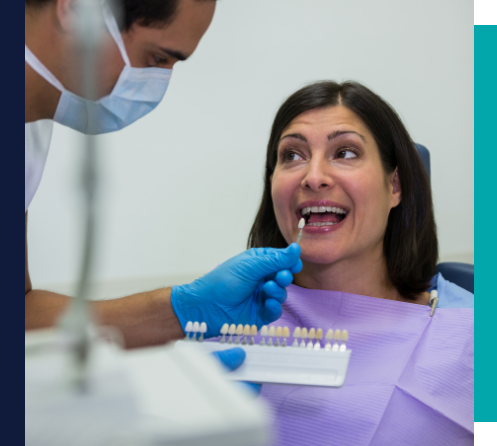
Signs That You Need Dentures
- Gaps between the Teeth or Unstable Teeth
- Chronic Toothaches
- Swollen, Sensitive, Inflamed, or Bleeding Gums
- One or More Missing Teeth
- You cannot eat some kinds of food
- You find it hard to smile because of damaged or missing teeth
Pros And Cons of Complete Dentures
- Pros
- They help you eat and chew comfortably
- They can improve your confidence and self-esteem.
- Improved They give you a more youthful appearance.attractiveness to the opposite sex.
- They help you speak properly.
- They are a cost-effective teeth replacement.
- Cons
- They require maintenance like repairs and relining.
- The retention for lower dentures declines over time.
- Sometimes, they can slip out of place when eating or speaking.
Types of Complete Dentures

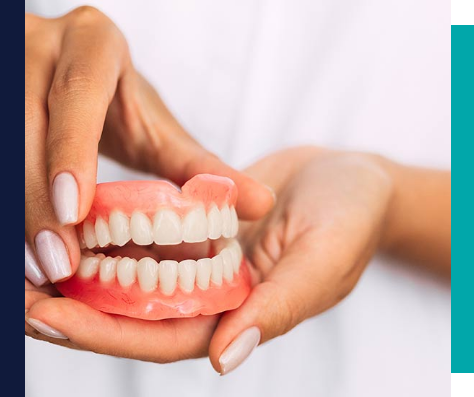
Complete Dentures
Premium dentures are high-quality, removable dentures. They are made to fit accurately and comfortably and have been designed by a dentist and custom-made by a specialized dental technician.

Partial Dentures
Economy dentures are a good choice for people looking for affordable dentures. They cost less, but they are generic and may not be the best fit or the most comfortable. Even though these dentures cost less upfront.
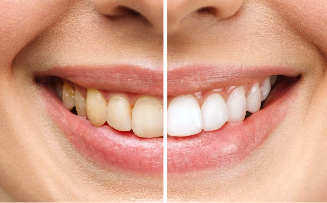
BEFORE AND AFTER
Complete Dentures Procedure
Step 1
The first step is consultation. The dentist has to carefully assess the overall condition of the teeth, gums, and even bones. A variety of examinations including physical and imaging tests are carried out. If there are lingering issues such as a root canal infection, they are treated first to avoid further damage.
Step 2
Before the dentures can be attached, the damaged or decayed teeth have to be extracted first. During the procedure, local anesthesia is administered to numb the pain. If the patient is restless, nervous, or anxious, sedation may be given.
Step 3
Using tools such as forceps and drills, the teeth are removed from the roots and tissues one by one. It may take a couple of visits to the dentist before all teeth are extracted.
Post-Op Care for Complete Dentures
- Keep your dentures seated in place by gently biting down.
- Rest at home today, and keep talking to a minimum.
- Do not take your denture out until you see either your dentist or your oral surgeon.
- Wear your cold packs over the surgical areas for the rest of the day.
Aftercare
To keep your mouth healthy, it is important to look after your dentures. Clean your dentures in the morning as well as before going to bed. You might also want to rinse them in cold water after meals.
Remember to gently brush any parts of your mouth that are normally covered by the dentures using a soft toothbrush. This includes your gums as well as the roof of your mouth.
After cleaning, you can either keep the dentures in a cup of fresh cold water or a clean dry container. Rinse your dentures using fresh cold water before you put them on again.
There are a few other things you can do for a healthy mouth which include:
- Consuming nutritious food
- Avoid any kind of sugary food or drink, especially between meals.
- Drinking plenty of tap water.
- Have dental check-ups regularly
- If you take any medication, ask your doctor, pharmacist, or oral health professional if it will be affecting your mouth.
- Quit or at least reduce smoking
Risks and Complications
- Pain
- Dentures that are uncomfortable
- Loss of teeth
- Bleeding gums
FAQs
Can you wear complete dentures to bed?

What to expect when getting full dentures?
How long does it take to heal from complete dentures?
How do you clean your mouth with full dentures?
How many appointments are needed for a full denture?