
Aesthetic Orthodontic
Braces
What Are Dental Braces?
Causes Of Malocclusion
Childhood habits such as thumb sucking, tongue thrusting, pacifier use beyond age 3, and prolonged use of a bottle
Extra teeth, lost teeth, impacted teeth, or abnormally shaped teeth
Ill-fitting dental fillings, crowns, dental appliances, retainers, or braces
Misalignment of jaw fractures after a severe injury
Tumors of the mouth and jaw
Why Do You Need The Orthodontics Treatment?
Following are some of the reasons why I need orthodontic treatment.
- Orthodontics Can Improve Your Health
- Braces Can Help You Breathe Better
- Braces Can Increase Your Confidence and Self-Esteem
- Braces Can Lower Your Risk of Heart Disease
- People With Straight Teeth Have a Better Chance of Being Offered a Good Job Braces Can Help Your Social Life
Do I Need Braces?
Symptoms
- Abnormal alignment of teeth
- Abnormal appearance of the face
- Abnormal appearance of the face
- Speech difficulties (rare), including lisp
- Mouth breathing (breathing through the mouth without closing the lips)
- Inability to bite into food correctly (open bite)
Who Needs The Procedure?
Overcrowding
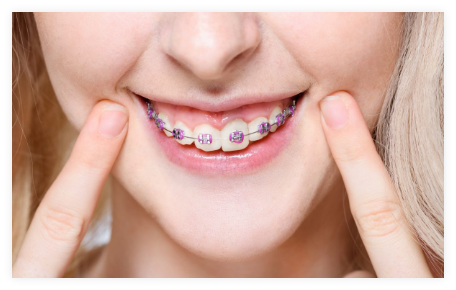
Overcrowding is among the most common causes of adults seeking orthodontic treatment. It is caused because of the lacking space in your mouth.
Spacing
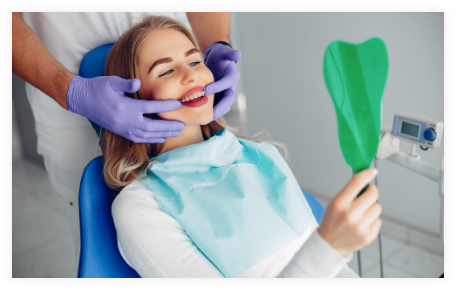
Spacing is caused due to small teeth, prolonged thumb sucking, missing teeth, and tongue thrusting. This issue occurs between two or more teeth, leading to overcrowding and impacting a child’s permanent teeth eruption process.
Open Bite
When your lower and upper front teeth don’t overlap, it causes an opening inside the mouth. This is called an open bite.
Pros And Cons Of The Braces
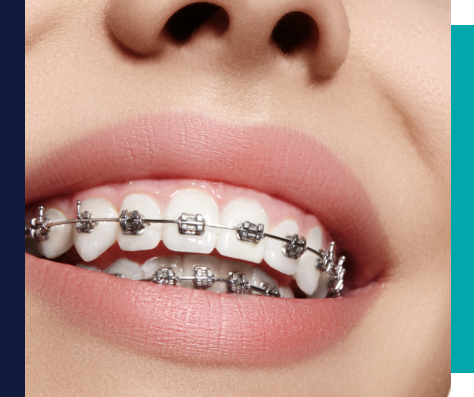
The Pros
Beautiful, Straight Teeth
A straight smile is a healthy one, with minimized chances of developing tooth decay, gum disease, periodontal disease, and more.
Enhances Oral Health
If the problem is never addressed, the risk of tooth decay and other oral diseases can heighten, Improve Your Self-Confidence and Self-Esteem
The Cons
- Braces Can Be Very Noticeable
- They Can Be Difficult to Clean
- Braces trap food far easier than your teeth do
- Braces are an expensive proposition.
What Are The Types Of Braces?
- Metal braces
- Ceramic braces
- Lingual braces
- Self-ligating braces
- Clear aligners
How Should I Care For My Braces?
- Brush your teeth at least twice a day using a soft-bristled toothbrush and fluoride toothpaste.
- Floss between your teeth and around your braces once a day. (Ask your dentist or orthodontist about special floss for braces.)
- If you have clear aligners, clean them every day and store them properly when you’re not wearing them.
- Swish with an alcohol-free, antibacterial mouthwash twice a day.
- Avoid hard, crunchy, or sticky foods.
- Visit your orthodontist regularly for tightening and maintenance.
- Visit your dentist regularly for cleanings and routine dental care.
FAQS For Braces Treatment
What is orthodontics?

What is an orthodontist?
What’s the best age to visit the orthodontist?
How can I take care of my teeth if I’m wearing braces or a retainer?
Do braces hurt?
Do I need to brush my teeth more often if I have braces?