
Invisalign Clear
Aligners
What Is Invisalign?
Causes of Malocclusion
Time
The older you grow, the tighter and smaller your lips become. This change in facial features also puts pressure on your teeth from the outside. Over time, your mouth feels crowded, and changes in dental alignment occur.
Tooth Loss
If you lose one or more teeth, the remaining ones will shift towards the new gap and adversely affect your bite.
Periodontal Disease
Gingivitis refers to inflammation of the tissue around your teeth. When it progresses further and becomes periodontitis, it can cause gum shrinkage and bone loss, increasing the likelihood of tooth loss and misalignment.
Genetics
If you have the condition, your parents, siblings, and other relatives are likely to have it as well. Genetic disorders such as cleft lip or palate also affect your bite by changing your dental structure.
Injury or Trauma
Kids, teens, and young adults are at higher risk of traumatic dental injuries which affect their bite.
5 Reasons To Choose Clear Aligners
- They are clear or nearly invisible, which means they are barely noticeable when worn.
- They are removable, making them convenient. Because Invisalign wearers can remove the clear aligners when eating, brushing, and flossing their teeth, they are an extremely convenient braces option.
- They are soft and comfortable. Unlike metal braces that can scrape the inside of one’s mouth, clear aligners do not have any sharp edges.
- Less chance of any tooth discoloration. As it is easily removable it is to maintain proper oral hygiene and eating, so there is less possibility of food stuck between teeth and tooth discoloration.
- Fewer dental appointments are needed when someone chooses Invisalign clear aligners to straighten their teeth, making this option particularly beneficial for those who are very busy.
Who Needs Invisalign Clear Aligner?
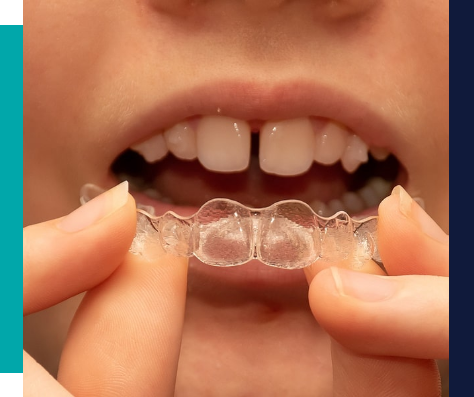
- Invisalign is suited for adults and teens who want a more radiant and beautiful smile without the visibility of traditional metal braces. If you have gaps between your teeth, or if they are crooked or slightly overlapping, Invisalign can help you achieve the smile of your dreams.
Outcome Of Invisalign Clear Aligners
Conditions Invisalign Can Correct
- Crooked Teeth
- Invisalign is commonly used to treat crooked teeth and straighten smiles in patients. It can align your teeth, giving you a cleaner smile.
- Overbite
- When the teeth on top close too far in front of the lower teeth, it is called an overbite. It can cause difficulty in chewing and biting certain food items. Invisalign can move the teeth so that the bottom and top teeth align when an individual closes their mouth.
- Underbite
- An underbite is the opposite of an overbite. It is when the bottom line of teeth is in front of the upper line. An underbite can weaken your teeth and lead to speech difficulties. Invisalign can help move back the lower teeth so that they are behind the front teeth.
- Crossbite
- A crossbite occurs when some of your upper teeth sit inside the lower teeth instead of outside. This condition can cause chipping in your teeth and receding of your gums. Invisalign can, in some cases, position the teeth correctly.
Pros & Cons of Invisalign
Pros of Invisalign
• Comfort: Invisalign is much more physically comfortable to wear. Since there are no wires or brackets, you don’t have to worry about getting any painful nicks or cuts in your mouth.
• More Attractive: Since Invisalign is clear, it doesn’t leave you with a mouth full of metal. In other words, they are more attractive to the eye, and most people won’t even know you are wearing them.
• Convenience: This makes them very convenient, especially as they are available on a widespread scale.
• Can be Removed: Invisalign aligners can be removed for eating, brushing your teeth, and flossing. It allows you to eat the foods you want and practice better oral hygiene.
• Minimal Maintenance: They can get dingy over time when you wear them, but you can freshen them by using a toothbrush dipped in a small amount of bleach and water.
Cons of Invisalign
Unfortunately, there are also some disadvantages to Invisalign. Here are the cons of the clear plastic aligners:
• Expensive: One of the biggest cons of Invisalign is that they are expensive. They are not covered by dental insurance.
• Attachments: The attachments are used to click into the aligners so that they fit better and can more effectively shift your teeth into the proper position. Attachments also make Invisalign much more noticeable, which can mean you look more like you’re wearing actual braces.
• Required to Wear Them 22 Hours Per Day: Invisalign must be worn a minimum of 22 hours per day. That means that if you are heading out for a date or going to a party, you will have to wear them.
• Tooth Discomfort: Getting new Invisalign aligner trays can be uncomfortable and even painful when you get fitted for a new set.
• Inconvenience: Invisalign aligners can be cumbersome for some patients. You always have to remove them for eating, which means you may deal with some embarrassment when you go out to eat.
What Are the Benefits of Invisalign Treatment?
- Here is a breakdown of the primary benefits of wearing Invisalign braces:
- Practically invisible
- More comfortable to wear than other types of braces
- Can be removed for eating and brushing
- Require fewer dental visits than other types of braces
- Short treatment times
- Effective at treating spacing, crowding, and bite issues
- Affordable (similar cost to metal braces)
Initial Consultation And Preparing Treatment Plan
BEFORE AND AFTER
During The Invisalign Process
Making the Aligners and Attachments
The dentist applies a gel made of 15% to 35% hydrogen peroxide to your front teeth. Hydrogen peroxide can penetrate the porous outer layer of your teeth and break apart stain compoThe dentist uses 3D technology imaging rather than putty impressions to monitor your teeth at the start of treatment and throughout your treatment process. The 3D images and tech create each aligner to the exact specifications needed to move your teeth just the right amount.
Dental Office Visits
At each visit, you will receive multiple aligners to last you until your next visit. Your dentist will tell you how long to wear each aligner -- usually one to two weeks -- before throwing it out and putting in the next aligner in the series.
Wearing Your Invisalign Aligners
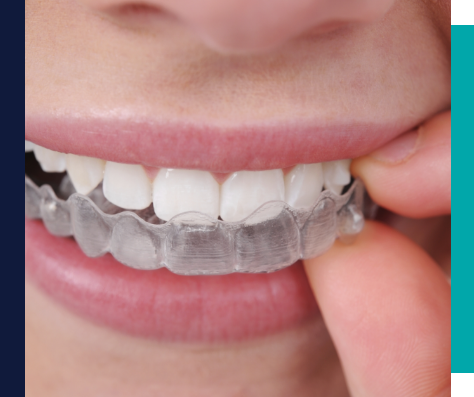
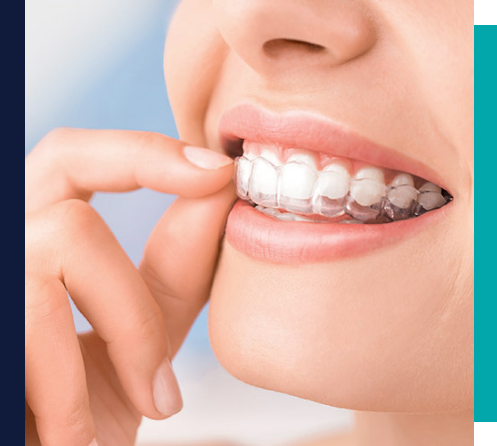
It should snap into place over your teeth. You may need to use some force and wedge your fingernails just under the edges near your gums to pop your aligner back off when needed.
AFTERCARE PROCEDURE
Maintain Your Smile With Retainers
- You will need to wear retainers after treatment is complete to give the bones of your jaw time to solidify around your new teeth placements. Invisalign makes a product called Vivera which is similar to their other trays, but they’re a little thicker and more durable. They’re not meant to be changed out bi-weekly as Invisalign trays are. You can also use a wired retainer. It is essential to wear your retainer during the months immediately after treatment, but ideally, you should wear a retainer a little each week for the rest of your life. Your teeth are always shifting and moving, after all.
What Possible Complications Can Happen With Invisalign?
- Like other orthodontic treatments, there are a few potential risks with Invisalign, such as:
- Allergic reactions
- Though it rarely happens, a few people may be allergic to the materials used in Invisalign aligners, such as acrylate. It happens when the plastic irritates the gum tissue. Symptoms of an allergic reaction include redness, itching, swelling, and blistering of the skin.
- Tooth Discomfort
- It is common to experience tooth discomfort during the first stages of orthodontic treatments, including Invisalign. This is because your teeth are slowly being moved into the correct position and your aligners put pressure on your teeth. The discomfort should disappear after a few days as your teeth get used to the aligners. However, if the pain persists, your dentist or orthodontist may need to adjust your treatment plan
- Cavities
- Cavities are holes in the teeth caused by tooth decay. It is caused by bacteria in plaque which accumulate on the teeth and produce acids that damage the enamel. If you don’t practice good oral hygiene, bacteria-filled plaque can get stuck in the aligners, leading to cavities.
FAQs For Invisalign Clear Aligners
What Are the Cons of Invisalign Treatment?

How Do I Get Invisalign Braces?
Is this a new way to straighten teeth?
Will the aligners affect speech?