
Crowns & Bridges
What is a crown and a bridge?

Your dentist may recommend a crown to:
Replace a large filling when there isn't enough tooth remaining
Protect a weak tooth from fracturing
Restore a fractured tooth
Attach a bridge
Why it’s Done
A bridge may be recommended if you’re missing one or more teeth. Gaps left by missing teeth eventually cause the remaining teeth to rotate or shift into empty spaces, resulting in a bad bite. The imbalance caused by missing teeth can also lead to gum disease and temporomandibular joint (TMJ) disorders.
Bridges are commonly used to replace one or more missing teeth. They span the space where the teeth are missing.
Bridges are cemented to the natural teeth or implants surrounding the empty space. Teeth, called abutments, serve as anchors for the bridge. A replacement tooth, called a pontic, is attached to the crowns that cover the abutments.
As with crowns, you have a choice of materials for bridges. Your dentist can help you decide which to use, based on the location of the missing tooth (or teeth), its function, aesthetic considerations and cost.
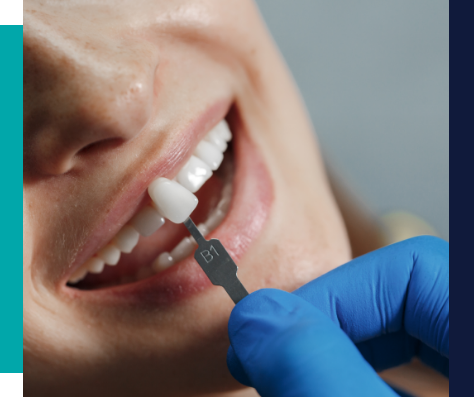

How do you know if you need crowns and bridges?
You might require a crown for any number of reasons.
a. Cap a damaged or decayed tooth.
b. Strengthen a filled tooth.
c. Protect a weak tooth.
d. Improve a discolored tooth.
e. Hold a dental bridge in place.
f. Hold together a cracked tooth.
g. Protect a tooth post-root canal.
h. Cap a dental implant.
CONDICATIONS THAT YOU NEED TOOTH WHITENING
Benefits experienced by some with new bridges:
- Enhanced experience eating and chewing
- Improved bite and lower pressure on the rest of your teeth
- Upgraded ability to speak clearly
- Reduced drooping of your face or cheeks
Types of Procedure

Traditional includes one or more artificial teeth cemented to both adjacent teeth through crowns.

Cantilever features an artificial tooth connected to a single natural tooth via a crown.
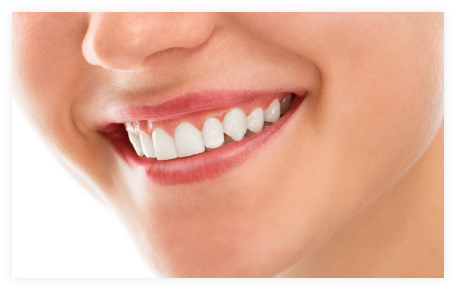
Maryland fuses artificial teeth to the back of surrounding teeth and is usually used to replace visible front teeth.
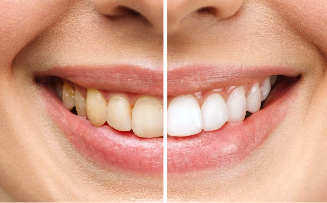
BEFORE AND AFTER
How do Crowns Work?
When a crown caps a damaged, weak, or decaying tooth, it’s generally to help maintain its size, strength, shape, and appearance. If you’re missing a tooth, a dental professional will give you a dental implant, on top of which they will place your crown.
Your crown will be made from one, or a mixture, of various materials. Gold alloy and other metal alloy options tend to be durable and cost-effective, but they won’t look much like your other teeth. Porcelain, acrylic, and ceramic crowns can more closely match your natural teeth. Acrylic and ceramic options are known to be durable.
Porcelain is a bit more prone to chipping and damage, but porcelain bonded to a metal shell can increase its strength while maintaining its attractive tooth-like aesthetic.
What Is the Dental Bridge Procedure?
For the following 24 hours After Treatment, yoBecause the procedure involves multiple steps, installing a dental bridge takes more than one dental visit.
These are the steps typically taken to implant a traditional bridge:
· The dentist injects a local anesthetic into your gum near the site of the future bridge.
· The dentist prepares the supporting teeth through shaping by making room for a crown to be placed over them.
· The dentist creates an impression of your teeth.
· The dentist creates a temporary bridge or crown to protect your mouth. In contrast, a bridge is custom-made by a laboratory.
· The dentist removes your temporary bridge or crown and fits your new, permanent bridge.
· To ensure a perfect fit, the dentist may secure the bridge with cement for several weeks before permanent placement.
· Ask your dentist to see if a dental bridge is right for you and how it should fit.
u must:
How Do I Care for My Dental Bridge?
- Dental hygiene is an essential factor in your bridge's long-term success. Take motivation from the fact that bridges can last over ten years with proper care.
- How long does it take for a dental bridge to settle? Only your dentist can advise on the exact amount of time.
- It's vital to care for your new bridge and also help the teeth your bridge is attached to remain healthy and strong. Decay and damage to these supporting teeth could lead to complications to your bridge.
Things to avoid when you have a bridge
- Sensitivity of th Hard and sticky items like caramel, nuts, popcorn kernels, candy, or icee teeth and gums, particularly if using one of the higher-strength whitening agents.
- Excessive intake of sugary or acidic food and drinks
- Smoking and tobacco products
- Your new dental bridge should help you feel confident with your smile and dental health. You're in a great place to maintain your bridge and supporting teeth to avoid any complications down the line. With the most challenging part out of the way, enjoy the benefits of your new bridge!
FAQS FOR TEETH WHITENING
How long should a bridge crown last?

How do you care for a bridge and crown?
How many teeth can be in a bridge?
How long can a crown take to heal?