

Root Canal

What Is a Root Canal?

A root canal is a dental procedure involving the removal of the soft center of the tooth, the pulp. The pulp is made up of nerves, connective tissue, and blood vessels that help the tooth grow. In most cases, a general dentist or endodontist will perform a root canal while you’re under local anesthesia.
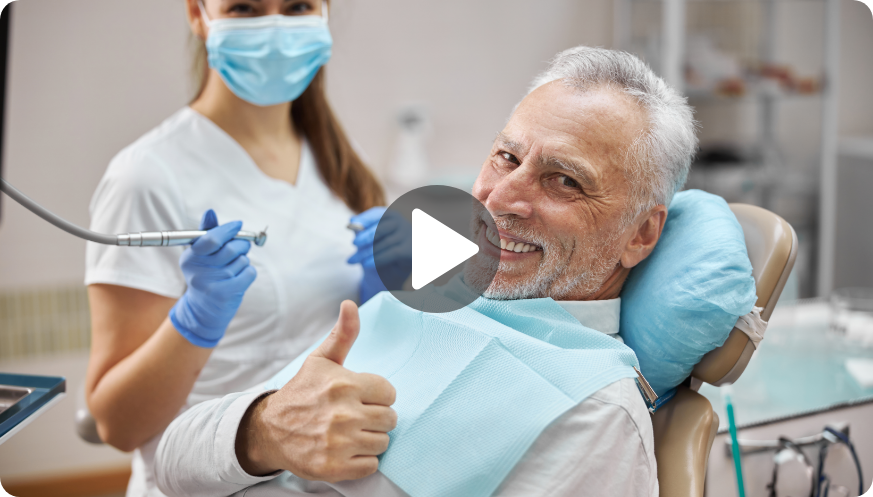
Video

Why Root Canal Treatment Required ?

Root canal treatment is needed when dental X-rays show that the pulp has been damaged by a bacterial infection. The pulp may become inflamed if it’s infected by bacteria, allowing the bacteria to multiply and spread. The symptoms of a pulp infection include: pain when eating or drinking hot or cold food and drink.

How to Avoid Root Canal Treatment

The Outcome of Root Canal Treatment

A root canal is considered a restorative procedure. Most people who undergo the procedure can enjoy positive results for the rest of their lives. Still, how long results last depends on the way you take care of your teeth.

Just as the rest of your teeth depend on good oral hygiene habits, your restored tooth requires regular brushing and flossing as well.

Symptoms That Indicate You May Need Root Canal Treatment

Advantages Of Having a Root Canal Procedure

The Procedure of Root Canal Treatment

Step 1: Anesthetic

The dentist will place a small amount of numbing medication on your gum near the affected tooth. Once it has taken effect, a local anesthetic will be injected into your gums. You may feel a sharp pinch or a burning sensation, but this will pass quickly.

Step 2: Removing the Pulp

When your tooth is numb, the endodontist or general dentist will make a small opening in the top of the tooth. Once the infected or damaged pulp is exposed, the specialist will carefully remove it using special tools called files. They’ll be particularly careful to clean out all the pathways (canals) in your tooth.
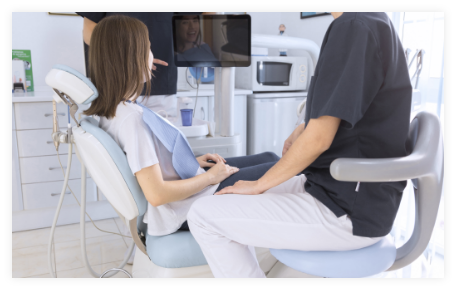
Step 3: Application of Antibiotics

Once the pulp has been removed, the dentist may coat the area with a topical antibiotic to ensure that the infection is gone and to prevent reinfection. Once the canals are cleaned and disinfected, the dentist will fill and seal the tooth with a sealer paste and rubber-like material called gutta-percha. They also may prescribe you oral antibiotics.
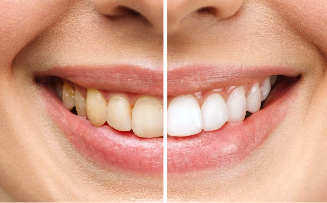

BEFORE AND AFTER

Before After
Before After
Before After

Post Procedure-Follow-Up After Root Canal

Your tooth and gums might feel sore when the numbing medication wears off. Your gums may also swell. Most dentists will have you treat these symptoms with over-the-counter pain medications such as acetaminophen (Tylenol) or ibuprofen (Advil). Call your dentist if the pain becomes extreme or lasts for more than a few days.

You should be able to resume your normal routine the day after the procedure. Avoid chewing with the damaged tooth until it’s permanently filled, or a crown is placed over the top.

You’ll see your regular dentist within a few days of the root canal. They’ll take X-rays to make sure that any infection is gone. They’ll also replace the temporary filling with a permanent filling.

If you prefer, the dentist may place a permanent crown on the tooth. Crowns are artificial teeth that can be made from porcelain or gold. The benefit of a crown is its realistic appearance.

Aftercare-Tips for Oral Health

Good oral health practices can help alleviate pain from a recent root canal. These can also help your new crown last for many years while protecting all your other teeth. Consider the following tips:

Potential Risks and Complications Associated with Root Canal Treatment

FAQS FOR TEETH WHITENING

How long does root canal recovery take?

Typically, root canal recovery time lasts less than a week. Mild discomfort may be present for a few days, but this can be managed with medication. If you have severe pain or discomfort that lasts longer than a week, call your healthcare provider.

Can I eat after a root canal?

Typically the gel product is only applied to natural teeth, allowing these treated teeth to lighten up to match a cap, crown, or veneer.

Can you drive after a root canal?

It depends. If you had local anesthesia or nitrous oxide during your procedure, then you can drive yourself to and from your appointment. People who choose oral sedation or IV sedation will need a friend or family member to drive them.

Can you smoke after a root canal?

It isn’t recommended. Smoking interferes with healing and increases the likelihood that you’ll need more dental work in the future.

Healthy Smile Starts Here

CONTACT US TODAY!

Scroll to Top